Freelancing Ka Complete Guide for Students


Aqsa aqsa
November 5, 2025
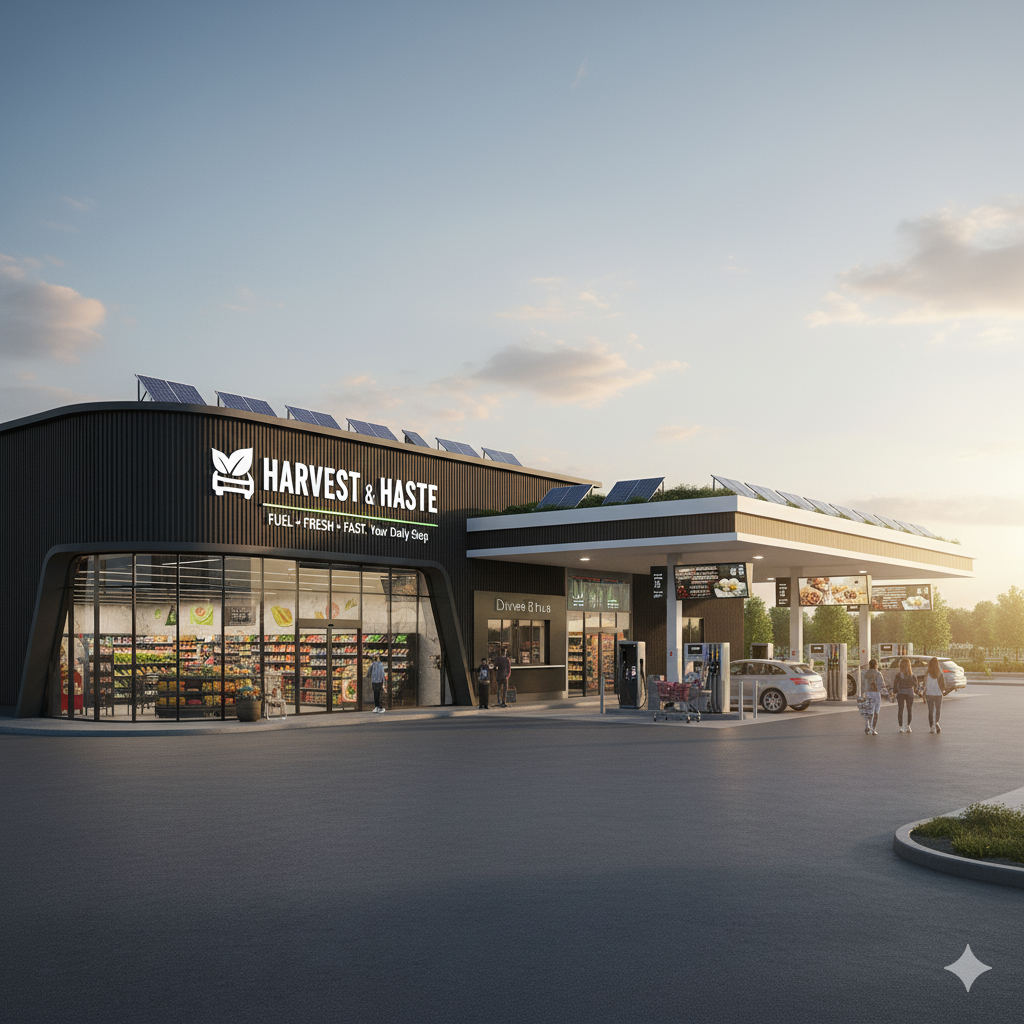
Retailers Entering Fuel Business In recent years, a surprising trend has emerged in the retail world — major retailers entering the fuel business. From supermarket chains to convenience store brands, companies that once focused solely on groceries, fashion, or electronics are now investing in fuel stations. This strategic shift is not just about diversification — it’s a well-calculated move to increase market share, customer loyalty, and long-term profitability.
Retailers Entering Fuel Business In this article, we’ll explore why retailers are entering the fuel business, the benefits they’re gaining, challenges they face, and what this trend means for the future of retail and fuel industries.
The retail landscape is evolving rapidly. With online shopping growing at an unprecedented rate, traditional Retailers Entering Fuel Business are under pressure to create more value for customers and enhance the in-store experience. By adding fuel stations, retailers can attract more daily traffic and strengthen customer loyalty.
Here are the key reasons behind this move:
Increased Customer Footfall: Fuel stations bring customers to physical locations more frequently. When people refuel, they often shop for groceries, snacks, or coffee.
Diversified Revenue Streams: Fuel sales add an extra income source to retailers’ portfolios, helping them offset the decline in traditional retail sales.
Customer Convenience: By combining fuel, food, and retail under one brand, companies position themselves as one-stop destinations.
Brand Expansion: Entering the fuel market allows retailers to expand their footprint into new regions and engage with new demographics.
Several Retailers Entering Fuel Business have already begun exploring or expanding their presence in the fuel industry:
Walmart – Partnered with Murphy USA and now operates thousands of co-branded fuel stations near its stores across the U.S.
Costco – Offers discounted fuel prices for its members, driving massive traffic to its warehouses.
Tesco (UK) – Integrated fuel stations with its supermarkets, offering loyalty points for fuel purchases.
Target and Kroger – Both explored fuel partnerships and loyalty integrations that reward customers for shopping and refueling.
This trend is no longer limited to developed markets. In regions like Asia and the Middle East, retail and fuel partnerships are also growing rapidly, especially with the rise of convenience store chains and smart payment systems.
Let’s make your brand shine on Google & social media
Retailers entering the fuel business are seeing multiple advantages beyond direct fuel profits.
Retailers Entering Fuel Business purchases provide excellent opportunities to integrate loyalty and reward programs. For instance, customers can earn points when they shop or refuel, encouraging repeat visits.
When customers stop for fuel, they often buy coffee, snacks, or groceries. This boosts in-store sales and increases the average transaction value.
Large Retailers Entering Fuel Business can negotiate better fuel supply deals and pass savings to consumers, positioning themselves as price leaders in both retail and fuel.
Forward-thinking retailers are also installing electric vehicle (EV) charging stations alongside fuel pumps. This helps them stay future-ready and appeal to eco-conscious consumers.
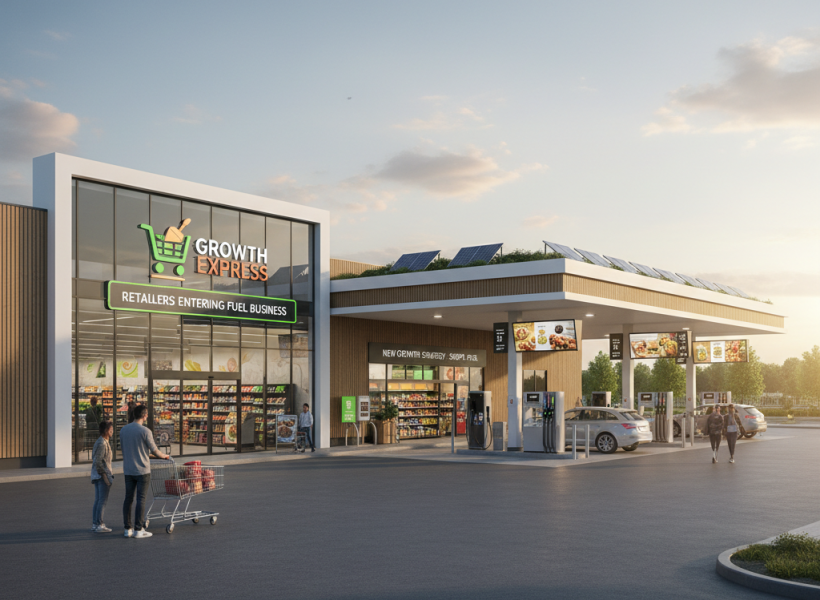
While the growth potential is significant, entering the fuel market isn’t without risks and challenges.
Regulatory Compliance: Fuel retailing involves strict environmental and safety regulations that vary by region.
High Capital Investment: Setting up fuel infrastructure requires significant upfront costs and long-term maintenance.
Operational Complexity: Managing fuel logistics, pricing volatility, and safety adds operational layers that traditional retailers may not be familiar with.
EV Disruption: With the rise of electric vehicles, retailers must balance between short-term fuel demand and long-term sustainability investments.
To overcome these challenges, many retailers are partnering with established fuel suppliers or investing in hybrid retail-energy models that combine traditional fuel, EV charging, and convenience services.
As technology and consumer behavior evolve, the intersection between retail and fuel will only deepen. Several emerging trends are shaping the future:
Digital Payment & Loyalty Integration: Mobile apps and digital wallets make it easier to combine fuel payments with retail loyalty programs.
Smart Stations: AI-driven analytics and automation improve inventory, energy management, and personalized marketing at fuel stations.
EV Charging Expansion: Retailers are adding fast-charging stations to attract electric vehicle owners and future-proof their businesses.
Sustainable Practices: Biofuels, solar-powered stations, and carbon-offset programs are becoming part of retailers’ sustainability strategies.
This evolution will lead to the creation of multi-service hubs, where customers can shop, eat, refuel, and recharge — all in one convenient location.
For retailers considering this move, success depends on strategic planning and customer experience design.
Here are key steps to follow:
Partner with Established Fuel Brands: Collaborating with industry leaders ensures reliable supply and operational expertise.
Leverage Data and Analytics: Use consumer insights to determine ideal locations and optimize cross-selling opportunities.
Focus on Loyalty Programs: Create integrated loyalty systems that reward both shopping and fueling behavior.
Invest in Sustainability: Combine traditional fuel with EV charging and green energy initiatives to attract future-ready customers.
Optimize Convenience: Design layouts that allow easy access between fuel pumps, retail stores, and quick-service food outlets.
The trend of retailers entering the fuel business marks a major transformation in both industries. What started as a convenience strategy is now evolving into a comprehensive growth model that merges retail, fuel, and technology.
By integrating fuel services with retail operations, companies can increase customer loyalty, diversify revenue, and future-proof their brand against digital disruption. In the coming decade, we’ll likely see more retailers adopting this hybrid model — and those who do it strategically will emerge as leaders in the new era of connected commerce.
We help local businesses get more customers through Google Business, SEO & digital marketing. How can we assist you today?