Freelancing Ka Complete Guide for Students
Best Ecommerce Business Models for 2025 Success
Aqsa aqsa
October 7, 2025
Business & Technology
Aqsa aqsa
October 7, 2025
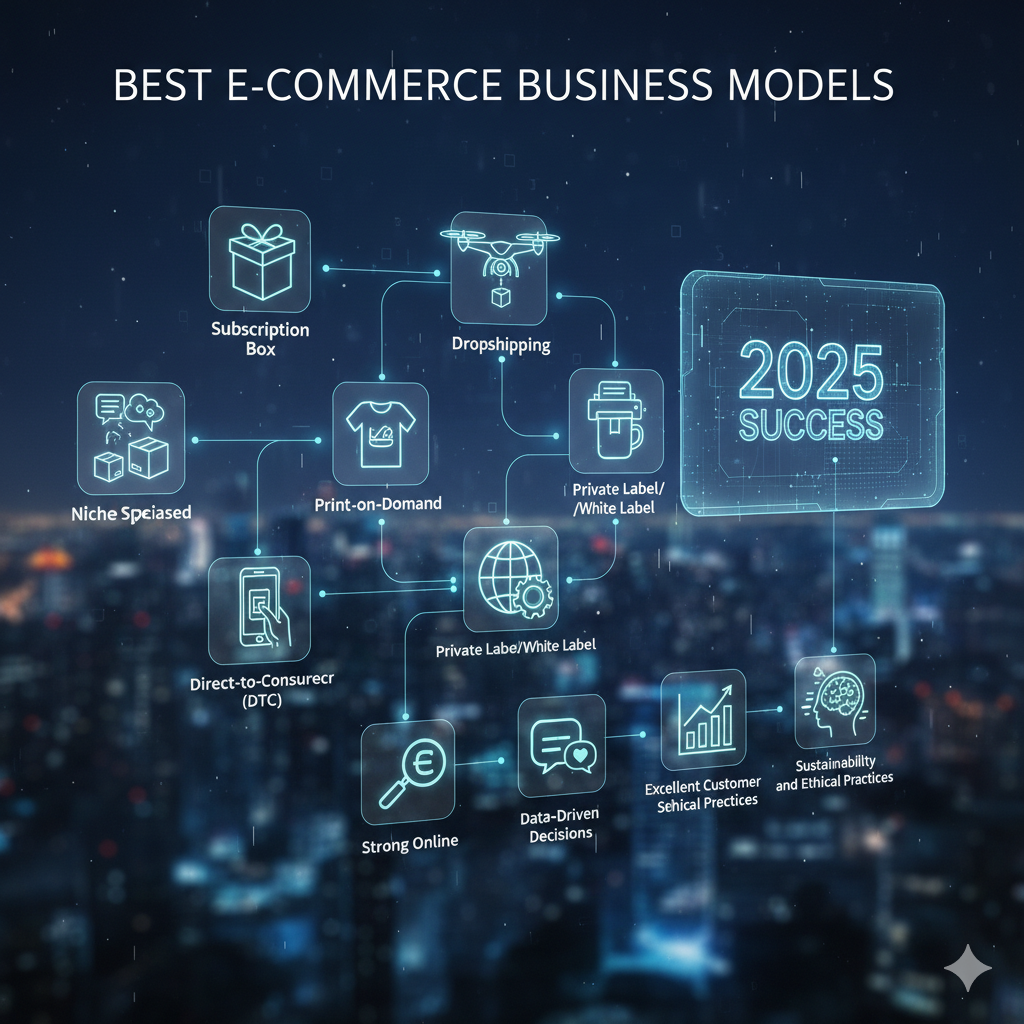
The e-commerce landscape in 2025 is more dynamic than ever before. With online shopping dominating global markets, choosing the right e-commerce business model is crucial for long-term success. Whether you’re an aspiring entrepreneur, a small business owner, or an established brand, understanding which model fits your goals can help you grow faster, reduce risks, and increase profitability.
In this comprehensive guide, we’ll explore the best e-commerce business models for 2025, how they work, their benefits, and how you can choose the perfect one for your business.
The B2C model is the most common and widely used e-commerce model in 2025. It involves businesses selling products directly to end consumers through online platforms or their own websites.
Examples: Amazon, Daraz, and local brands like Khaadi or Sapphire in Pakistan.
Why it’s successful:
Direct access to customers.
Easy to promote through digital marketing and social media.
High scalability and low operational costs compared to physical stores.
Best for: Fashion, electronics, home appliances, and beauty brands.
The B2B model focuses on selling products or services from one business to another. This model has grown significantly in 2025 due to increasing online wholesale and digital procurement.
Examples: Alibaba, Indiamart, and TradeKey.
Advantages:
Stable income with bulk orders.
Long-term business relationships.
Predictable revenue and less price fluctuation.
Best for: Manufacturers, suppliers, and wholesalers targeting retail businesses or other enterprises.
The D2C model allows manufacturers to sell their products directly to customers without intermediaries. With the rise of social media platforms like Instagram, Facebook, and TikTok, D2C brands are thriving in 2025.
Examples: Nike, Glossier, and several emerging Pakistani clothing brands.
Benefits:
Better control over pricing and branding.
Direct customer feedback and data insights.
Higher profit margins since middlemen are removed.
Best for: Fashion, beauty, and lifestyle product businesses aiming to build brand loyalty.
The subscription e-commerce model is one of the fastest-growing trends in 2025. Customers subscribe to receive products or services on a regular basis — weekly, monthly, or annually.
Examples: Netflix, Spotify, and subscription boxes like Birchbox and Blue Apron.
Why it’s effective:
Predictable monthly revenue.
Strong customer loyalty and retention.
Easy to personalize offers based on user data.
Best for: Digital services, software, food delivery boxes, and beauty products.
Dropshipping continues to be a favorite among new entrepreneurs in 2025. In this model, you don’t need to hold inventory — instead, when a customer places an order, you purchase the item from a supplier who ships it directly to the buyer.
Why it works:
Low startup cost and minimal risk.
No need for warehousing or inventory management.
Thousands of product options available.
Challenges:
Lower profit margins due to supplier fees.
High competition and reliance on third-party suppliers.
Best for: Beginners looking to start an online business with minimal investment.
Print-on-Demand (POD) allows entrepreneurs to sell custom-designed merchandise such as t-shirts, mugs, and phone covers. The items are printed and shipped only when a customer places an order.
Advantages:
No inventory or storage required.
Great for creative entrepreneurs and designers.
Opportunity for brand personalization.
Best for: Artists, influencers, and content creators who want to monetize their designs.
The C2C model allows consumers to sell directly to other consumers using online platforms. This model is ideal for second-hand goods, handmade items, or freelancing services.
Examples: OLX, eBay, and Facebook Marketplace.
Benefits:
Low entry barriers and startup costs.
Promotes sustainability through reuse and resale.
Allows individuals to earn passive income.
Best for: Freelancers, second-hand sellers, and small artisans.
We specialize in promoting local brands online through Google, Facebook & Instagram marketing. Let’s boost your visibility together
A marketplace e-commerce model connects buyers and sellers on one platform. The platform owner earns through commissions or listing fees while sellers handle product fulfillment.
Examples: Amazon, Etsy, and Daraz.
Why it’s booming in 2025:
Large customer base and product variety.
Low inventory cost for the platform owner.
Opportunity to scale globally.
Best for: Entrepreneurs aiming to create multi-vendor platforms or digital marketplaces.
Social commerce is the future of online shopping in 2025. This model integrates e-commerce directly into social media platforms like Instagram, TikTok, and Facebook, allowing users to shop without leaving the app.
Why it’s powerful:
Easy product discovery through influencer marketing.
High engagement and conversion rates.
Seamless, one-click shopping experience.
Best for: Fashion, beauty, and lifestyle brands targeting younger audiences (Gen Z and Millennials).
In the affiliate model, you promote other companies’ products through blogs, YouTube, or social media and earn a commission for every sale made through your unique referral link.
Examples: Amazon Associates, ClickBank, and ShareASale.
Benefits:
No need for inventory or shipping.
Flexible and passive income opportunity.
Ideal for content creators and influencers.
Best for: Bloggers, reviewers, and digital marketers.
Selecting the best business model depends on your goals, resources, and target audience. Here’s a quick guide:
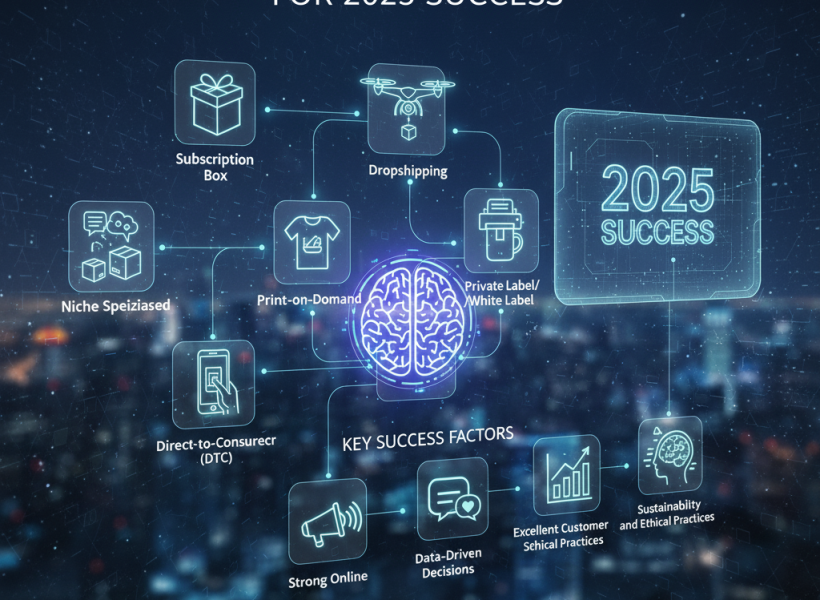
The e-commerce industry in 2025 offers unlimited growth opportunities. By choosing the right business model — whether it’s D2C, B2C, dropshipping, or subscription-based — you can align your strategy with customer trends and market demands.
Focus on innovation, personalization, and customer experience to stand out in the competitive digital marketplace. With the right model, your e-commerce business can thrive and achieve long-term success in 2025 and beyond.